Easy read and translate



Lumbar stenosis
Understanding lumbar stenosis
Lumbar stenosis is narrowing of the tunnels in the spine in the lower back which contain the nerves or spinal cord. It’s a common condition. Most narrowing is a normal part of the ageing process and often does not cause problems.
In some cases, lumbar stenosis can lead to irritation or compression of the nerves, which can lead to pain in the lower back and legs.
Although stenosis can cause pain, the nerves can learn to adapt to the narrowed space. The majority of people with this condition can manage their symptoms well, with the right advice and information.
In some cases further help is necessary, particularly if symptoms are impacting your leg function, walking or quality of life.
How much exercise should I do?
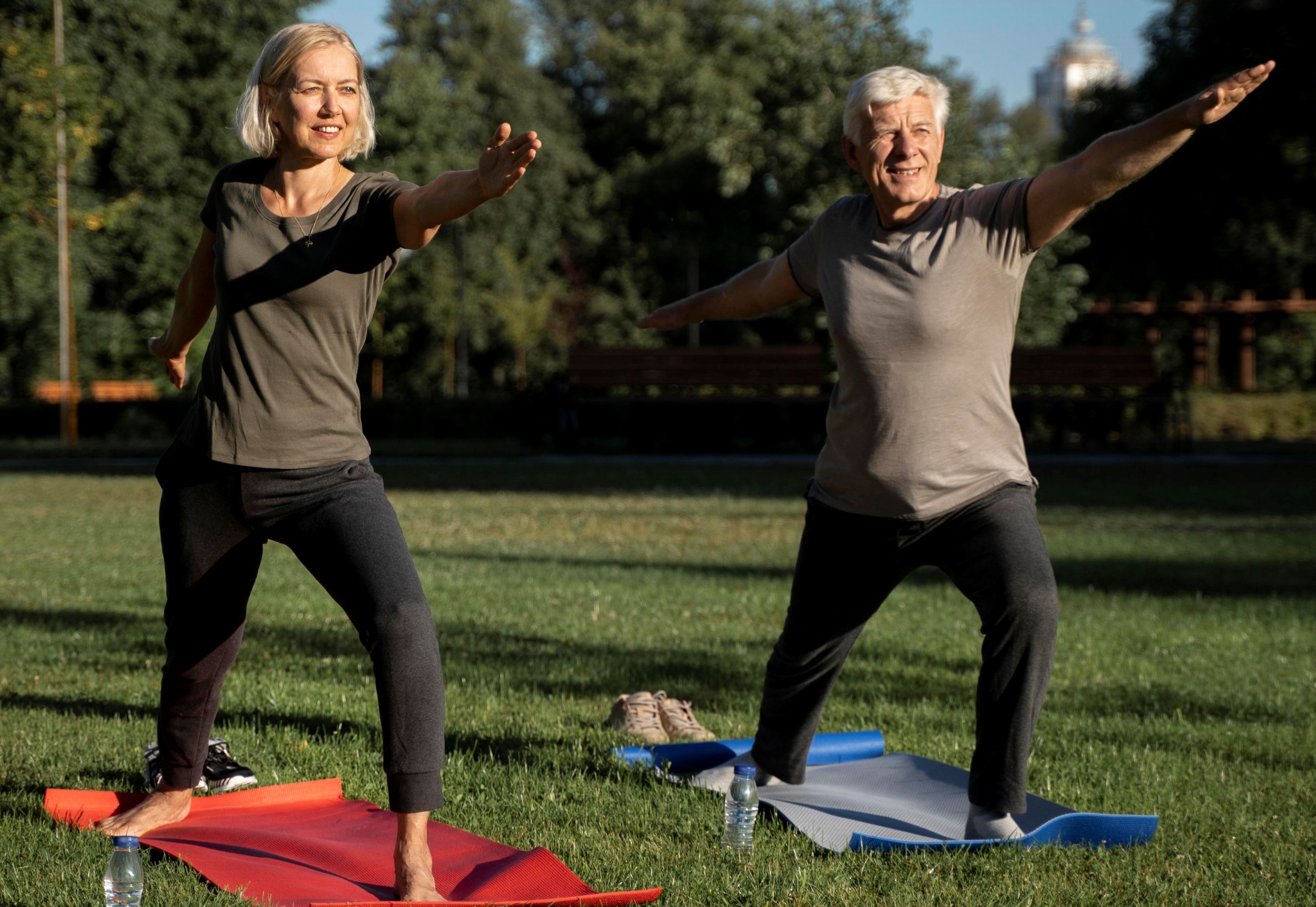
Exercise 2 - 3 times a week
Allowing rest days in between to let soft tissues recover and develop.

Choose 3 or 4 exercises
Choose exercises that are challenging but manageable.
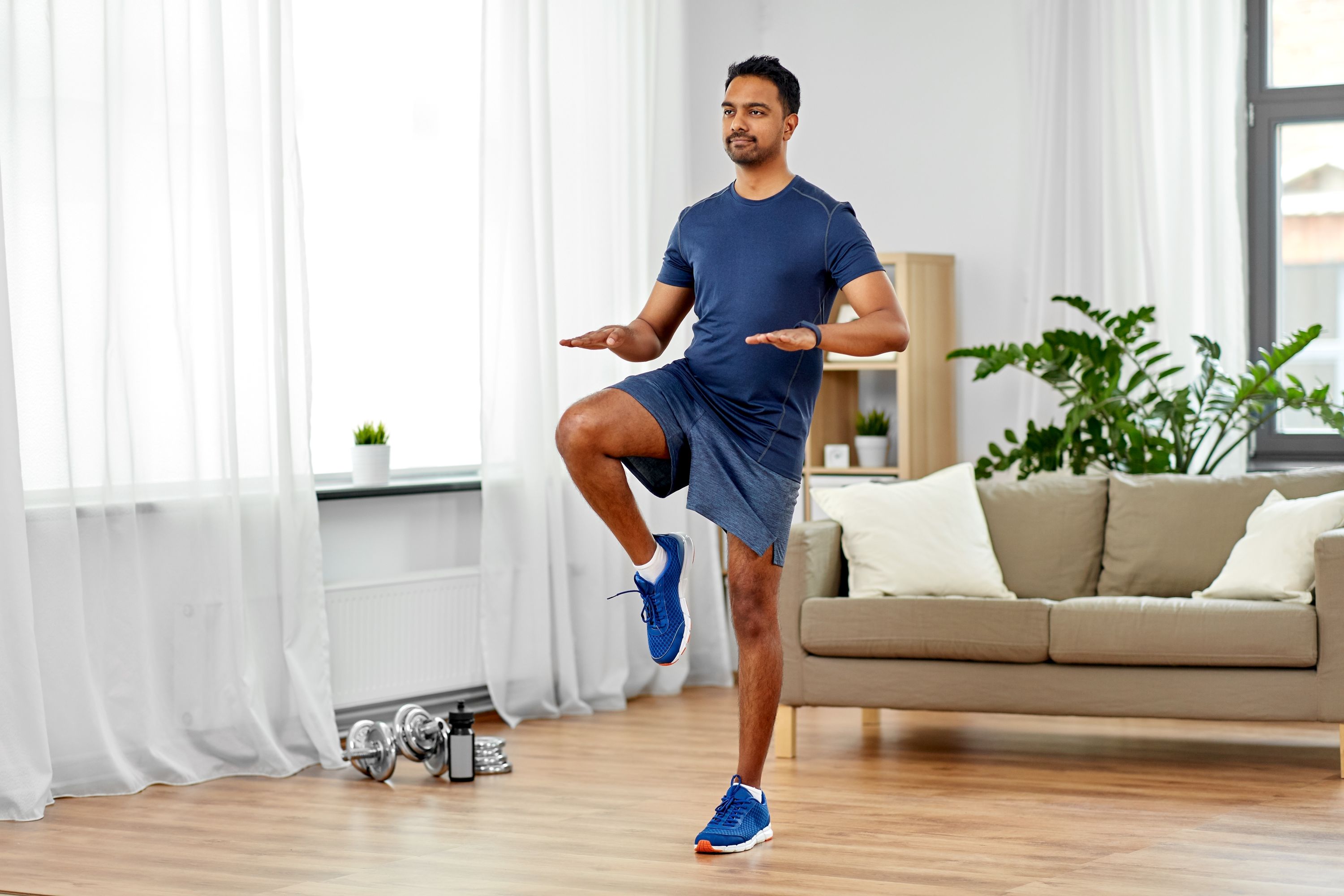
Repeat the exercise
Perform 8 to 12 repetitions of each exercise; by the last 2 to 3 repetitions, you should feel that your muscles are tired.

Rest
Rest for up to 1 to 2 minutes between each set and monitor how you are feeling during and after exercising.

Once an exercise is easy, progress it
If the exercises are feeling easy after a week at this level, try a small increase in difficulty. You can do this by increasing the resistance (tension in band or weight used), depth of the movement, slowing down the return phase of the movement or adding a hold for a few seconds at the end of the movement.
How much pain is too much pain?
Before exercising
Before exercising, rate your pain at the moment on a scale of 0 to 10, where 0 is no pain and 10 is the worst pain you can imagine.
A maximum pain level
A maximum pain level of 4/10 whilst exercising is fine as long as it eases within 45 minutes of the session and does not interfere with sleep or activities the next day.
If your pain increases
If your pain increases beyond this, simplify the exercise by reducing the range of movement or number of repetitions, or try an easier exercise.

Strengthening exercises for lumbar stenosis
Balance exercises for lumbar stenosis
Stretching exercises for lumbar stenosis
Need more help?
Consider self referring using the link below:
If you have a new injury or problem, please look at the self help information in our advice pages. We will often complete the same exercises and share information in clinic appointments.
If you still need some more help you can self refer into our service. Please note that the NHS is currently experiencing longer than normal waits, for more information visit our waiting times page.