Easy read and translate



Bladder health
What is normal?
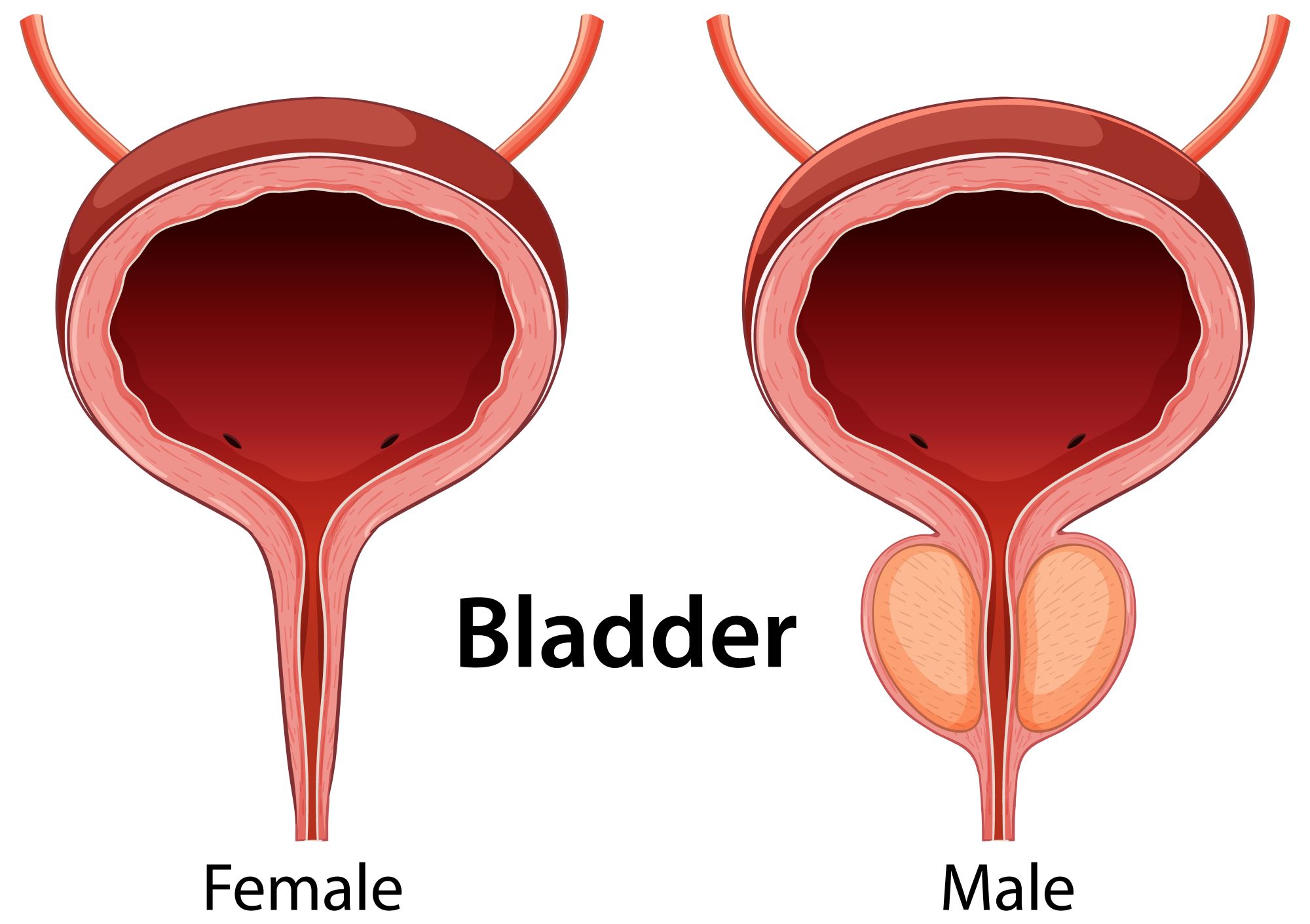
Most bladders will hold approximately 400 to 600mls of urine. The urge to pass urine is normally felt when the bladder is a half full. The sensation of bladder fullness should gradually build up giving you time to reach the toilet when it is convenient to do so.
When you are sitting on the toilet, the brain will send a signal to the bladder to start squeezing out the urine. The average number of times most people empty their bladder in the day is between 4 and 8 times and once, or not at all, at night.
There are various treatment options that can be tried to find out what works best for you.
About bladder health
Many men and women of all ages find that they develop bladder problems.
Overactive bladder symptoms
Increase in frequency
(passing water more frequently)
Increase in urgency
(not getting much warning of needing to empty your bladder)
Increase in Nocturia
Needing to go to the toilet in the night more than once *
Urge incontinence
(not reaching the toilet in time and leaking)
* once you reach menopause it is usual to wake up once in the night to empty your bladder.
There can be many reasons for these symptoms and sometimes no cause will be found at all. There are, however, a number of ways you can try to help your bladder function.
Stress urinary incontinence
Stress urinary incontinence is involuntary leakage of urine caused by sudden, extra pressure on the bladder. This may happen when we sneeze, cough, laugh, jump or exercise.
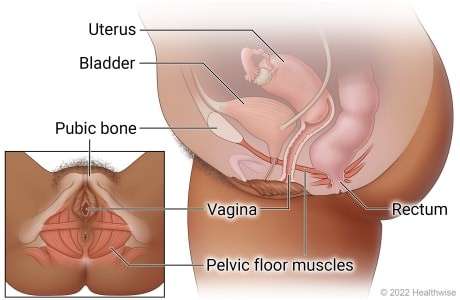
Leakage can also happen when getting up from sitting or when we walk and can be influenced by weak or uncoordinated pelvic floor muscles.
Being overweight can also often increase stress urinary incontinence.
There are several ways to help this type of leakage, including improving your bladder health and completing regular pelvic floor exercises.
What can you do to improve it?
Bladder health management
Need more help?
Consider self referring using the link below:
If you have a new injury or problem, please look at the self help information in our advice pages. We will often complete the same exercises and share information in clinic appointments.
If you still need some more help you can self refer into our service. Please note that the NHS is currently experiencing longer than normal waits, for more information visit our waiting times page.