 Easy read and translate



Wrist, hand and thumb pain
Understanding wrist pain
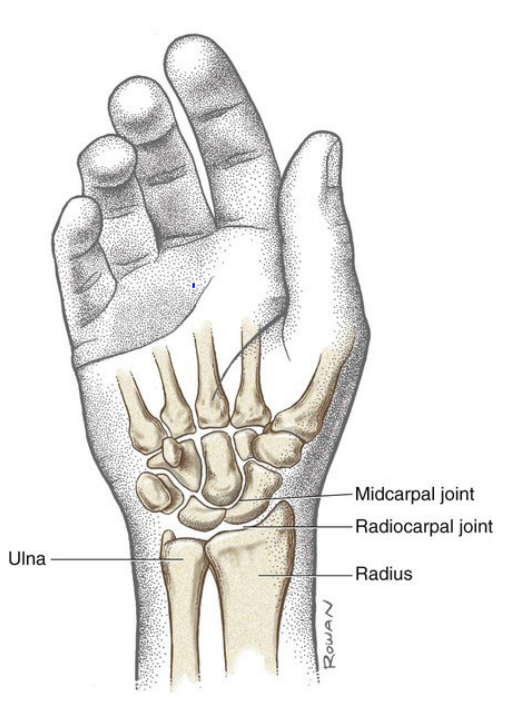
Wrist pain is any discomfort in the wrist. Although small, the human wrist is made up of 8 bones, alongside, ligaments, tendons and tissue. Your wrists play a central part in most daily activities and because of this, they can be subject to injury or repetitive stress.
It is important to see your GP if:
your wrist pain came on following a fall or trauma
your think you may have broken your wrist
you have pins and needles, numbness or weakness in your hand
you have swollen or stiff fingers
Often, wrist pain improves with rest, ice and changes in activities but if this isn’t working, we recommend trying the exercises on this page.
About the wrist
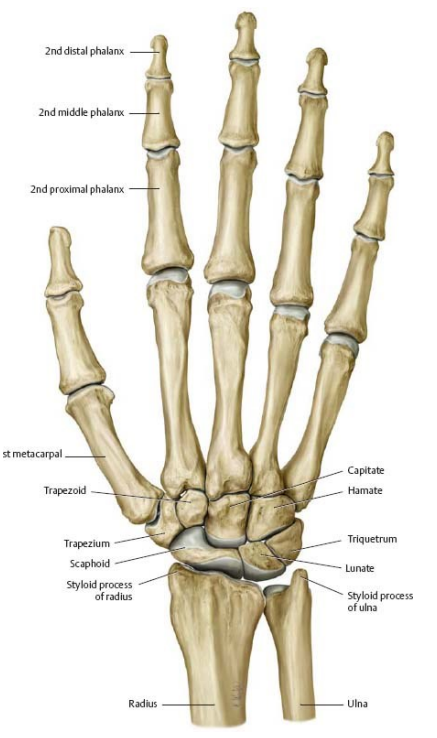
The wrist joint is made up of two bones from your forearm, the ulnar and radius. These connect to a group of small bones in the hand called the carpal bones.
The main movements of the wrist are to go forwards and backwards (flexion and extension), however the wrist is also very important in rotational movements to place the hand in the right position to be used.
Causes of wrist pain
Wrist pain can often be caused by a stiffening of the joint, a weakening of the muscles around the joint or a combination of both. Pain in the wrist can often be relieved by working on these problems with the right exercises.
Wrist exercises
This guidance has been produced by the Dynamic Health physiotherapy service. It offers simple measures to help you manage your wrist problem safely. Often the right advice and exercises are all you need to improve the problem.
This information has been made available to your GP, who may ask you to try the advice and exercises prior to consulting a physiotherapist.
Seek urgent medical advice if your wrist pain started suddenly after a recent trauma.
The following exercises do not need to be completed in any particular order and it can be helpful to try and gradually build your range of movement and strength at the same time. Choosing some challenging but manageable exercises from each section may be helpful.
How much exercise should I do?
Exercise every other day
Allowing enough rest is important to let soft tissues recover and develop.

Choose 3 or 4 exercises
Choose exercises that are challenging but manageable.

Repeat the exercise
Perform 3 to 5 sets of 5 repetitions of each exercise.

Rest
Rest for up to 1 to 2 minutes between each set.

Once an exercise is easy, progress it
Increase the number of repetitions (aim for 10). Or hold the positions for longer or move to a more challenging exercise.
How much pain is too much pain?
Before exercising
Before exercising, rate your pain at the moment on a scale of 0 to 10, where 0 is no pain and 10 is the worst pain you can imagine.
A maximum pain level
A maximum pain level of 4/10 whilst exercising is fine as long as it eases within 45 minutes of the session and does not interfere with sleep or activities the next day.
If your pain increases
If your pain increases beyond this, simplify the exercise by reducing the range of movement or number of repetitions, or try an easier exercise.

Stretching exercises
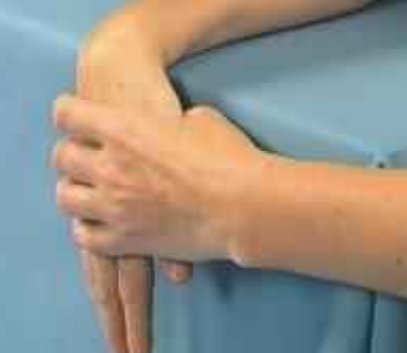
If your wrist has lost movement because of pain or stiffness, it needs to be regained in order to strengthen the wrist effectively.


Strengthening exercises
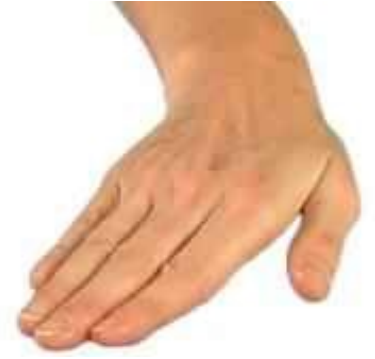
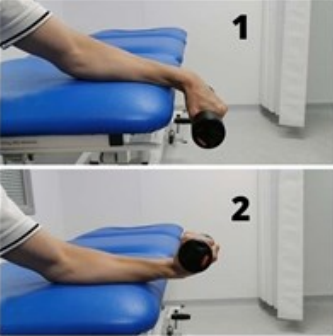
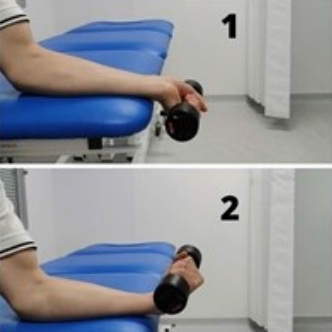
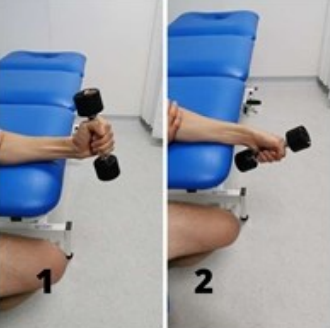
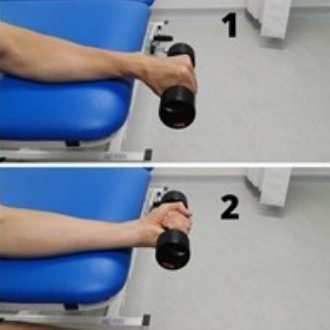
In the images below, the model is using a weight. At home you could use a water bottle, as 1 litre = 1kg. Make sure however that whatever you are using, you are challenging yourself.
Top tips
Read our top tips about wrist pain exercises.
- Don’t feel you have to replicate the full movement of the exercise straight away. Use it as a guide, and build up gradually to the full movement over time.
- It is normal for it to take 6 to 12 weeks before you notice an improvement in your pain, movement and strength. It can take longer for complete improvement.
- As long as the activity is not painful, try to keep using your wrist throughout the day.
- General exercise can really help your recovery due to its stress reducing and pain relieving effect, so try to keep going with other activities you enjoy to keep fit. Even a brisk walk could really help.
Understanding hand and thumb pain
The hand is a very intricate structure. No other region has the same density of joints or muscles. This is of course because we need our hands to act in a precise manner.
Pain in the hand is usually caused either from osteoarthritic changes to the joints, or from repetitive strain tendon injuries. The most common regions to experience pain are at the base of the thumb, back of the thumb or in the joints in the fingers.
Often, hand or thumb pain improves with rest, ice and changes in activities but if this isn’t working, we recommend trying the exercises listed.
If your hand or thumb pain started after recent trauma, please seek medical advice.
About the hand and thumb
The hand and thumb are made up of seven carpal bones (the small bones at the base of the hand) and each finger is then made up of four bones as shown in the diagram to the right. The thumb is slightly different, in that it is made up of three bones.
There are more than 30 active muscles operating the hand, which attach in the hand and fingers through tendons. There are of course also many ligaments in the hand, attaching the bones one by one to each other.
The hand is a very intricate structure. No other region has the same density of joints or muscles. This is of course because we need our hands to act in a precise manner. Because our hands are so vital, it can cause very noticeable problems when something goes wrong.
Causes of hand and thumb pain
Pain in the hand is usually caused either from osteoarthritic changes to the joints, or from repetitive strain tendon injuries. The most common regions to experience pain are at the base of the thumb, back of the thumb or in the joints in the fingers.
Braces and supports
If your pain is worse at the back of the thumb, especially first thing in the morning, you should purchase and try wearing a thumb spica brace that will stop your thumb moving across your hand at night. For some people this can provide a degree of relief from their pain.
If your pain is worse at the base of the thumb on the side of your palm, you may wish to consider purchasing a thumb stabilising support. These come in either firm or movable variations. Generally it is more practical to purchase a support that will still allow some movement.
Activity modification
Usually with pain in the hand or thumb there will be one of two activities that particularly aggravate the pain. These will normally involve repetitive motions. Most commonly this will be computer based work. Sometimes small modifications can make a big difference to hand pain. For example, you could try resting your wrist on a towel or wrist support when typing, or purchasing an ergonomic keyboard or mouse. If possible, take regular breaks where you can complete the stretching exercises.
Sometimes the pain will not be linked to one specific activity, but will be aggravated by any strenuous force through the hand. If this is the case try to be mindful of your activities and consider how these can be adapted. Could you use your other hand for the activity? Is there a helpful friend or companion who could do the task for you?
In addition to modifying specific activities you should consider pacing yourself with your activities throughout the day.
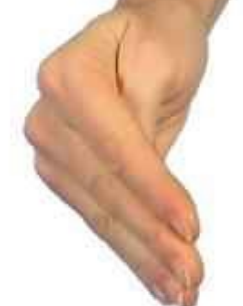
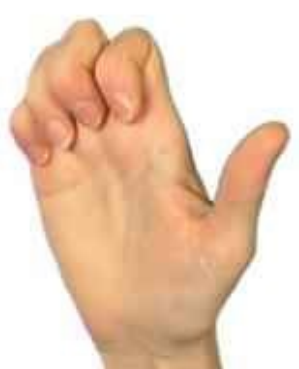
Range of movement exercises
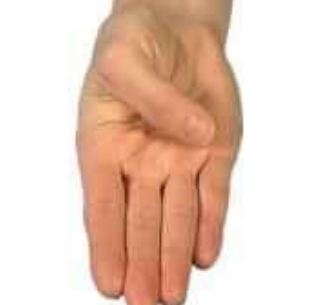
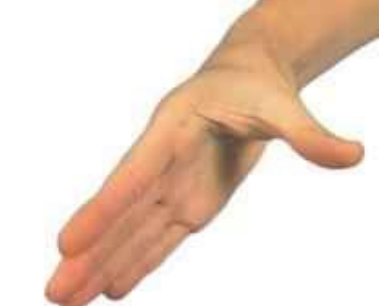
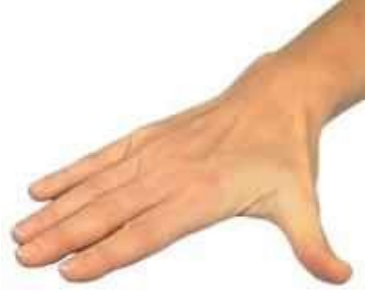
If your hand has lost movement because of pain or stiffness, it needs to be regained in order to strengthen the hand effectively.

Strengthening exercises
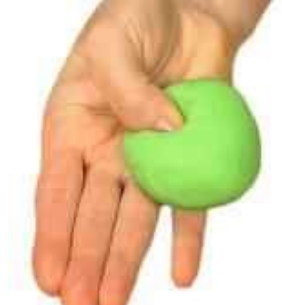
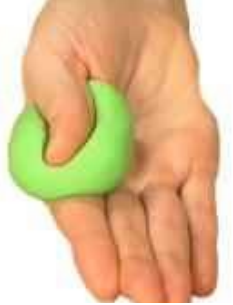
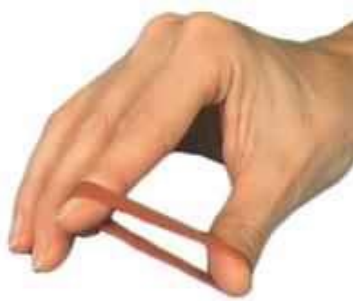
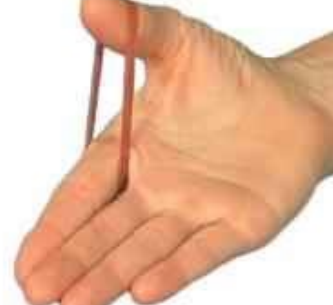
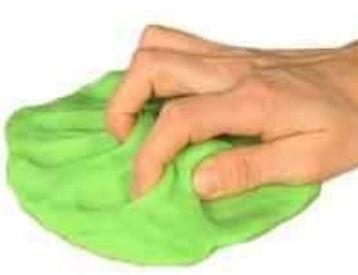
Search online for “finger strengthening putty”. This will be required for many of the exercises below. Unfortunately, this is not available in any high-street stores. You can instead however purchase playdough, which will work in a similar way.

Top tips
Read our top tips about hand and thumb pain exercises.
- Try to build your exercises into your daily activities.
- You don’t have to do all the exercises in one go.
- It is normal for it to take 6 to 12 weeks before you notice an improvement in your pain, movement and strength, and it can take longer for complete improvement.
- Don’t stop moving your hand throughout the day.
Need more help?
Consider self referring using the link below
If you have a new injury or problem, please look at the self help information in our advice pages. We will often complete the same exercises and share information in clinic appointments.
If you still need some more help you can self refer into our service. Please note that the NHS is currently experiencing longer than normal waits, for more information visit our waiting times page.

Need more information?